
Breast Tightening After Pregnancy: A Realistic Care Guide
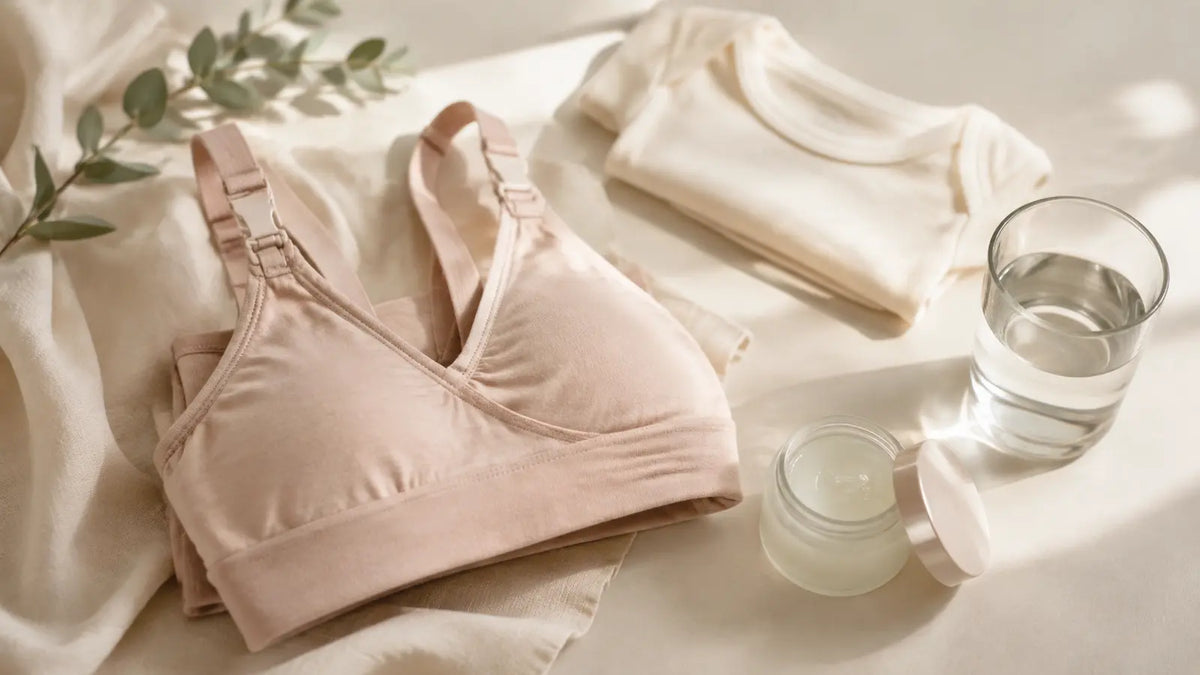
Pregnancy and the months after birth can change how breasts look and feel. Fullness may increase during pregnancy and breastfeeding, then reduce as hormones settle and milk production ends. The skin may feel softer, the upper part of the breast may look less full, and an old bra may no longer fit. These changes are common, but they can still affect confidence.
If you are searching for breast tightening after pregnancy in Pakistan, the most useful starting point is a realistic one: gentle skincare can support the appearance and feel of external skin, while a well-fitted bra, stable weight and time can improve comfort. No cosmetic gel can permanently lift internal breast tissue, change cup size or reproduce a surgical result. This guide explains what may help, what to avoid and when a change needs medical attention.
Why breast shape can change after pregnancy
Breasts change size throughout pregnancy as glandular tissue prepares for feeding. During breastfeeding, milk volume can make them feel fuller; after weaning, that volume reduces. Skin and supporting tissues that adapted to a larger size may not return to exactly the same appearance. Genetics, age, number of pregnancies, pre-pregnancy breast size, smoking and major weight changes can also influence firmness.
Does breastfeeding itself cause sagging?
It is easy to blame breastfeeding, but the evidence is more nuanced. A study indexed on PubMed found that breastfeeding was not an independent risk factor for breast ptosis among the women studied; pregnancy-related change and other personal factors mattered more. One study cannot predict an individual result, but it is a useful reminder not to feel guilty about feeding choices.
Breasts also vary naturally. A small difference between sides, visible veins, stretch marks and changes across the menstrual cycle can all be normal. The goal of a postpartum routine should be comfort, healthy external skin and realistic improvement—not chasing a filtered or “perfect” shape.
Firmness, lift and size are not the same thing
Marketing often mixes three different goals:
- Skin firmness describes how smooth, hydrated or supple the external skin feels.
- Breast lift refers to the position of breast tissue and the nipple on the chest.
- Breast size refers to tissue volume and cup size.
A moisturising or firming cosmetic may temporarily make dry skin feel softer and look smoother. Massage can also make a routine feel relaxing. It cannot rebuild stretched internal ligaments, permanently reposition tissue or guarantee enlargement. Keeping these limits clear helps you assess products fairly and avoid unsafe “instant lift” or “permanent size increase” promises.
A gentle post-pregnancy breast care routine
1. Give your body time to settle
Breasts can continue changing during breastfeeding and for months after weaning. Avoid judging the final shape too early. If you are actively losing postpartum weight, gradual change is usually kinder to skin than repeated rapid loss and regain. You do not need to delay comfortable skincare, but expectations should account for ongoing hormonal and weight changes.
2. Recheck your bra fit
A bra that fitted before pregnancy may now pinch, gape or ride up. The band should sit level, the cups should contain the breast without spilling or wrinkling, and straps should not dig in. A supportive bra can improve comfort and the appearance under clothing, although it does not permanently lift breast tissue. Breast Cancer Now’s bra-fitting guide also notes that breast size and shape can change with pregnancy, breastfeeding, age and weight.
3. Keep cleansing simple
Use lukewarm water and a mild cleanser on external skin. Pat dry instead of rubbing. Avoid harsh body scrubs, lemon juice, baking soda, toothpaste or strong essential oils; irritation does not mean a treatment is working. Inflamed skin can become dry, itchy or darker, particularly in areas where a bra rubs.
4. Moisturise and patch-test
Apply a simple moisturiser or cosmetic gel to clean, intact skin. Before using a new formula broadly, test a small amount on the upper chest or inner arm and observe the area for 24–48 hours. Stop if you develop persistent burning, swelling, hives, blistering or a worsening rash. “Herbal” does not automatically mean suitable for every skin type.
5. Use light massage—not force
If the product directions allow massage, use gentle circular strokes with clean hands and enough product to prevent pulling. More pressure does not create more lift. Do not massage a painful area, a new lump, inflamed skin, a healing wound or an infected breast. During breastfeeding, avoid applying cosmetic products to the nipple or areola where a baby could ingest them.
6. Add posture and upper-body strength work
Exercise does not tighten breast tissue itself because breasts do not contain muscle. However, strengthening the chest, shoulders and upper back can improve posture and how the chest is carried. Once a healthcare professional has cleared you for postpartum exercise, begin gradually with wall push-ups, resistance-band rows or light presses. Stop if you have pain, dizziness, wound discomfort or pelvic-floor symptoms.
How to choose a breast firming gel in Pakistan
A useful product page should show a complete ingredient list, directions, external-use warnings, pack size, seller details and a realistic returns policy. Prefer language such as “moisturises,” “supports smoother-looking skin” or “helps skin feel supple.” Be cautious when a cosmetic promises a permanent lift, exact centimetres of change, guaranteed results, no side effects or hormone-like effects without reliable evidence.
Be‑Tight Gel by Zivara Naturals is an external cosmetic gel positioned for a daily massage and skin-firming routine. Its listed ingredients include aloe vera gel, vitamin E and botanical extracts. Use only as directed on clean, intact external skin, patch-test first, and remember that individual cosmetic results vary. If you are pregnant, breastfeeding, treating a breast condition or taking hormone-related medication, ask a qualified healthcare professional before use.
If your main concern is understanding the difference between topical creams, gels and enlargement claims, read our guide to breast creams and what to avoid. For readers comparing a gel with a massage-oil format, our Be‑Max herbal oil guide explains that product category separately.
What not to do for sagging breasts after pregnancy
- Do not use painful massage or suction devices: bruising and swelling are harm, not progress.
- Do not apply unlabelled mixtures: you cannot assess allergens, contamination or active ingredients.
- Do not use products on the nipple, broken skin or an active rash: wait until the skin has healed.
- Do not start several products together: if irritation occurs, you will not know which one caused it.
- Do not replace breast assessment with a cosmetic: a gel is not a treatment for lumps, infection, nipple discharge or sudden asymmetry.
How long should you assess a skincare routine?
Hydration and softness may be noticeable sooner than any visible change in skin texture, but there is no honest universal timeline for “tightening.” Use the same routine consistently, follow the label and assess no more than once every four weeks in similar lighting and clothing. Daily photos can exaggerate small lighting differences and increase anxiety.
If a product causes irritation, stop rather than pushing through it. If there is no meaningful benefit after a reasonable, consistent trial, reconsider the product instead of applying more. Surgical lifting is the only established way to substantially reposition breast tissue; anyone considering it should wait until pregnancy, breastfeeding and major weight changes are complete and consult a qualified specialist.
When breast changes need medical advice
Post-pregnancy softness or gradual shape change is usually cosmetic. A new lump, swelling in the breast or armpit, skin dimpling, unusual redness, a newly inverted nipple, blood-stained discharge, a persistent one-sided change or pain with other symptoms should be assessed. The NHS breast-change guidance recommends getting changes that are not normal for you checked. These signs do not automatically mean cancer, but they should not be self-treated with a firming gel.
Frequently asked questions
Can a gel permanently tighten sagging breasts?
No topical cosmetic can permanently lift or reposition internal breast tissue. A gel may moisturise external skin and support a smoother, more supple appearance, but outcomes vary.
When can I start a breast firming routine after delivery?
Gentle external moisturising may be reasonable once skin is intact, but postpartum recovery differs. If you are breastfeeding, healing from surgery, or have pain, mastitis or cracked nipples, ask your clinician before adding a new product.
Can I apply Be‑Tight while breastfeeding?
Do not apply cosmetic gel to the nipple or areola, and do not use it where the baby’s mouth or skin may contact it. Because botanical ingredients are not automatically proven safe during lactation, get personalised advice from a qualified healthcare professional first.
Will chest exercises lift breasts?
Exercise cannot tighten breast tissue itself, but stronger chest and back muscles and improved posture may change how the chest looks under clothing and can support overall function.
Is breast asymmetry after pregnancy normal?
Mild asymmetry is common, especially during breastfeeding. A sudden, persistent or pronounced one-sided change—particularly with a lump, skin change or discharge—should be checked.
Should I massage stretch marks?
Gentle moisturising massage may reduce dryness and make skin feel comfortable, but it cannot guarantee removal of stretch marks. Avoid vigorous rubbing or irritating DIY ingredients.
Medical and cosmetic disclaimer: This article provides general educational information and is not a diagnosis or treatment plan. Be‑Tight is a cosmetic product for intact external skin; it is not intended to treat breast disease, change breast anatomy or guarantee lifting or enlargement. Individual skin responses and cosmetic results vary. Seek medical advice for a new lump, discharge, severe pain, infection symptoms, sudden asymmetry or any change that is unusual for you.